Multipitch Atlas

Le Syndrome de Calimero

Agiofarango Gorge (south coast, near Kaloi Limenes) · Crete · Greece

Bail with caveatsBolting confidence: high

An accessible gorge multi-pitch with views over the canyon, the sea and the little Orthodox chapel. It has steep juggy walls, a short traverse onto an arête and a corner with a jammed block (take care). The rock is less sticky higher up.

Hardest pitch
6a+
Pitches
7
Length
200 m
Approach
–
Aspect
E
East-facing
Rope
2×50 m

The route

Overview

Le Syndrome de Calimero is the longest route in the Agiofarago gorge on the south coast of Crete: seven fully bolted pitches, about 200 m (235 m on the local site). It mixes steep juggy walls, a short traverse onto a pillar arête, a slab traverse with a small juggy overhang, an easy 3a link pitch, and a corner with a jammed block before a 6a finish. Bolts are close together and the route is described as accessible, with little sense of exposure. The draw is the view over the gorge, the sea and the small Orthodox chapel. The remoteness, heat and rough access road are the serious part.

In pictures

Photos

Approach photo

The climbing

Pitch by pitch

Pitches of Le Syndrome de Calimero
PitchGradeLengthBoltsNotes
P15c+35 m14 boltsStart near a big olive tree. Steep wall on good holds. The single-pitch 'C'est vraiment trop inZuste!' (5c+, 40 m) shares this pitch and branches left in the last 15 m; keep right.
P26a+27 m9 boltsRising line to the right. The hardest pitch.
P36a16 m4 boltsTraverse right, then up the pillar / arête.
P46a20 m6 boltsSlab traverse right, then a small juggy overhang.
P53a40 m5 boltsEasy link pitch.
P65b+27 m11 boltsRock is less grippy here. Rising traverse right to reach the corner with the jammed block; take care with the block.
P76a30 m12 boltsExit to the right.

Getting there

Approach

To the parking

Agiofarago is on the south coast of central Crete (Heraklion region), near Kaloi Limenes. Two ways in. (1) By a rough dirt road past the Odigitria Monastery: the gorge starts about 3 km beyond the monastery; climbincrete.com says you need a car with off-road ability, and a 2016 visitor called a 4x4 'almost indispensable' and advised driving down via Sivas rather than from Kali Limenes. From the road end it is 20-30 min on foot through the gorge to the beach. (2) Without an off-road car: from Kali Limenes walk the coastal path (start at the Coast Guard building; left at a junction after about 700 m; the dirt road ends 500 m later and a marked path follows the coast), about 1 h.

On foot

The route is in the gorge in 'Sector 14' of the climbincrete.com guide, which holds only this route and a one-pitch variation. It starts near a big olive tree. No source was found giving the walking time from the parking to this sector or its exact position in the gorge.

Map of the walk-in

  • Area: approximate

Loading map

The point is approximate: it marks the area, not the crag.

Coordinates · area: approximate

34.93175, 24.77893

Point from OpenStreetMap way 1356147537 (Agiofarago gorge)

For your phone or watch

Download GPX

Contains the route point. Opens in most mapping apps and GPS watches.

Points are compiled from published sources, with the precision stated above. They were not surveyed on the ground: check them against a current topo.

Getting down

Descent

Either walk off to the right from the top to get back to the parking, or abseil: the abseil line has to be found by going left along the top (camptocamp gives no anchor or length details). climbincrete.com says 2×50 m ropes and light shoes are needed. A 2011 party took 5 h for the route including the return.

Retreat

Bailing off the route

Bail with caveats

Retreat is not described by any source, and it gets harder the higher you go. From R1 you should be able to abseil the 35 m first pitch on 2×50 m ropes. Above that the route keeps traversing right, the belay bolts are not linked, and the abseil line used for the descent is somewhere else. Treat anything above R2 as awkward and plan to leave gear.

Retreat from
R1, above a straight 35 m wall. P2, P3, P4 and P6 all move right, so abseils from higher belays will not follow the line you climbed. P5 is an easy 3a link pitch, but no source says whether you can walk off from there.
Carry
2×50 m ropes. Slings or cord, and maillons or karabiners to leave, because the belay bolts are separate and you have to link them.
Basis
Inferred from the route factsCamptocamp states that belays must be linked and that the abseil descent line has to be found along the top; climbincrete.com gives 2×50 m ropes. Everything about retreating part-way is inferred from the pitch descriptions.

Partly inferred from the route facts

Safety

Hazards

  • Jammed block in the corner on pitch 6: camptocamp flags it with 'attention'.
  • Belay bolts are not linked; you must equalise them yourself.
  • No water anywhere in the gorge and extreme summer heat.
  • Rough access track; without an off-road vehicle expect a long walk.
  • The abseil line is not obvious and has to be searched for; the walk-off is the described alternative.
  • climbincrete.com warns that a few routes in the gorge have very old bolts. This route (2007) is listed as fully bolted, but no report on bolt condition more recent than 2016 was found.

Sun and weather

Conditions

Camptocamp gives the aspect as east. The gorge has sectors facing every way, so shade can be found, but summer temperatures reach 35-42 °C and climbincrete.com advises against moving around at midday; winter sunny days are described as ideal. There is no water in the gorge.

Usual season · Mar to May, Oct to Nov

Sun on the wall · E-facing

Working out the sunlit hours for this month.

  • January: not yet worked out
  • February: not yet worked out
  • March (usual season): not yet worked out
  • April (usual season): not yet worked out
  • May (usual season): not yet worked out
  • June: not yet worked out
  • July: not yet worked out
  • August: not yet worked out
  • September: not yet worked out
  • October (usual season): not yet worked out
  • November (usual season): not yet worked out
  • December: not yet worked out

Sun on the wallDaylight, wall in shade● Usual season

Estimated from the wall's aspect only. Ignores surrounding terrain, gullies and the wall's exact shape. Clock times are local to the wall (Greek time), for the 15th of each month.

Monthly climate averages for Crete, 1991-2020
MeasureJanFebMar (usual season)Apr (usual season)May (usual season)JunJulAugSepOct (usual season)Nov (usual season)Dec
Mean daily high °C141516192328313128242016
Mean daily low °C101011131721232421181512
Rain days 1 mm or more9863210024610

● marks the usual climbing season. Averages for 1991-2020 at about 27 m. Area climate from Open-Meteo reanalysis. Temperatures are adjusted to the height of the crag; rain comes from a grid cell of about 10 to 25 km, and summer highs on sea cliffs can read a few degrees low. The wall and valley can differ. Data: Open-Meteo, CC BY 4.0.

What to carry

Gear

climbincrete.com: 2×50 m ropes, helmet, water and lightweight shoes for the descent. Quickdraws only, no trad gear; the longest pitch has 14 bolts. Slings to link the belay bolts, which are separate.

Checklist

Quickdraws
Number not given in the sources
Rope
2×50 m
Helmet
One each
Abseil device and prusik
The descent or the retreat involves abseiling
Slings
Mentioned for retreat
Maillons or spare karabiners
To leave behind if you retreat
Cord
Mentioned for retreat

Derived from the route data; check it against a current topo

From climbers

Reader reports

Reader reports are not being collected yet. Until they are, check a current topo and the local club or guidebook publisher for recent changes to Le Syndrome de Calimero.

Worth knowing

Tips

  • Carry shoes and walk off rather than hunting for the abseil line.
  • climbincrete.com says people sleep out in the gorge (without a tent in summer, with one in winter); there are no facilities, so bring all your water.
  • 'C'est vraiment trop inZuste!' (5c+, 40 m, 15 bolts) is a single-pitch alternative sharing the start.
  • The gorge ends at a beach, so climbing and swimming combine well.

Open questions

Where sources disagree

  • Length: about 200 m (camptocamp; pitch lengths add up to 195 m) vs 235 m (climbincrete.com, which uses the same pitch lengths).
  • Both sources agree on every pitch grade and length.
  • Rope: climbincrete.com says two 50 m ropes are needed, which this entry follows.
  • Aspect: east (camptocamp); not stated elsewhere.

Provenance

Sources

Around 6a+ · about 7 pitches

Similar elsewhere

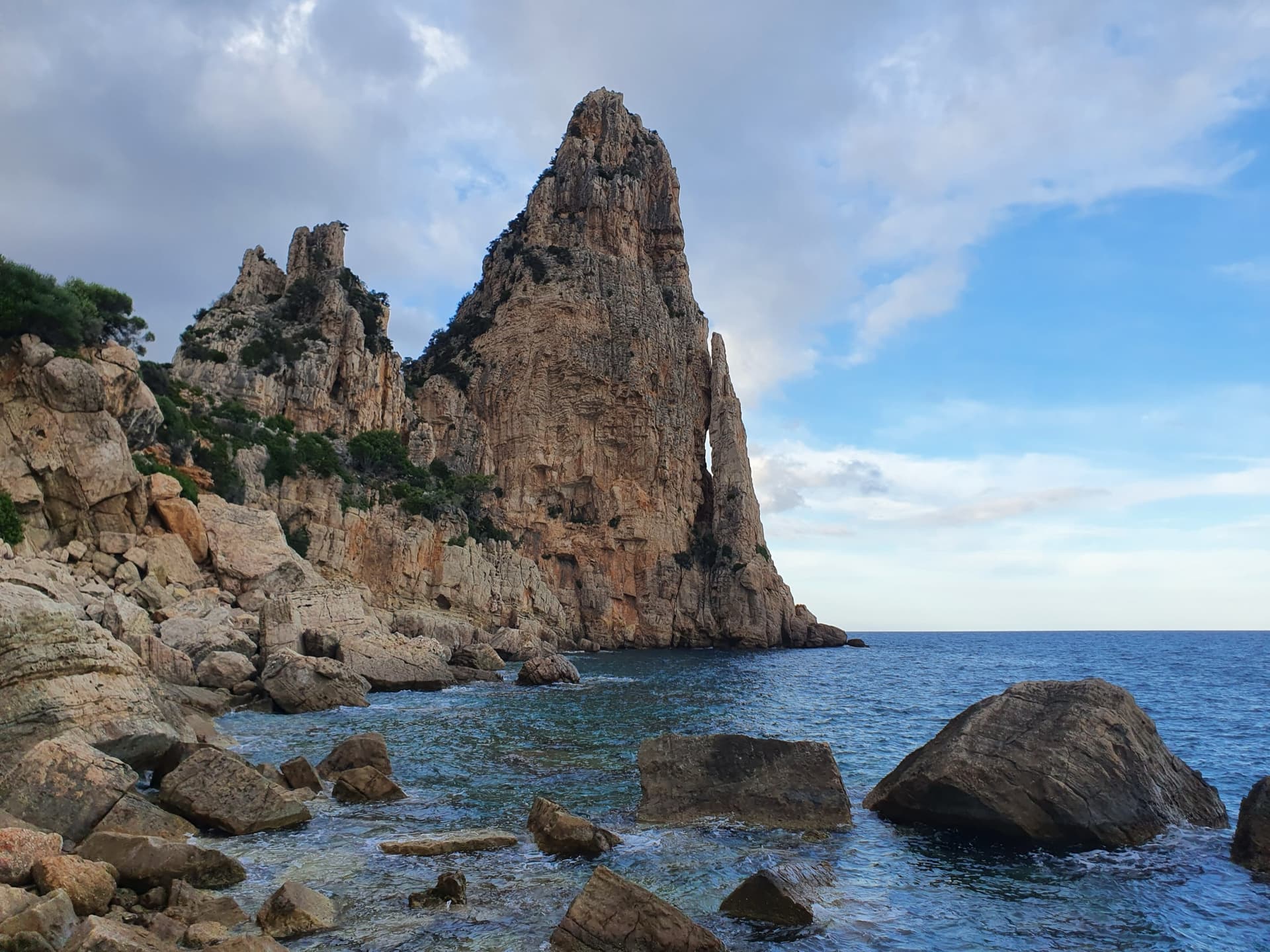
Pedra Longa, the 128 m limestone tower on the Baunei coast, seen from the shoreline rocks at its foot.

Italy · Sardinia

Marinaio di Foresta

An airy, mostly left-rising traverse that spirals round the Pedra Longa sea stack to its summit, on water-runnelled grey walls and pocketed white rock right above the sea. It has become one of the most popular routes in Sardinia, so expect queues.

6a+7 pitches190 m

Committing
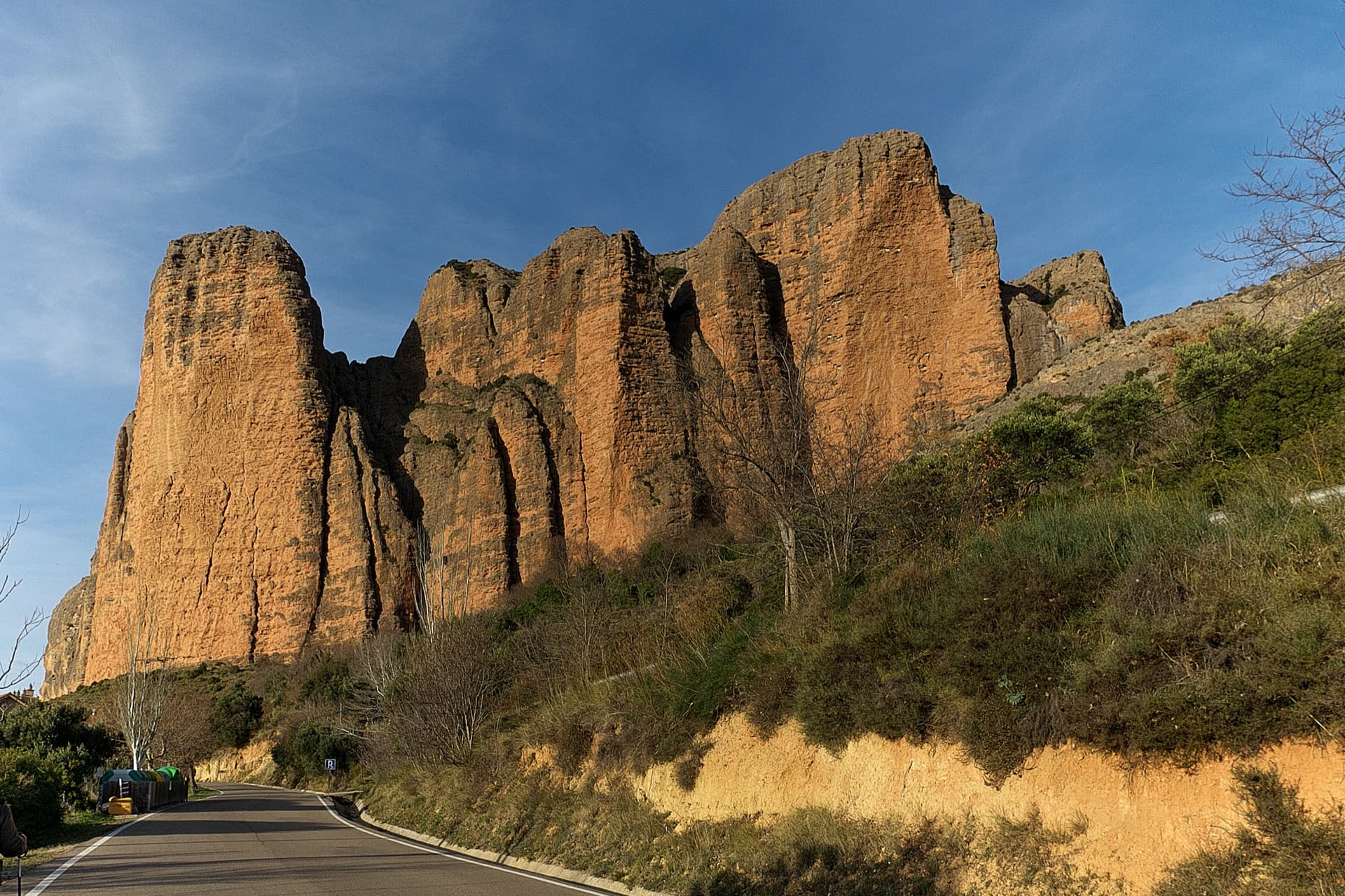
The south faces of the main Riglos wall in low sun, seen from the road into the village: Mallo Pisón on the left and the wall running right towards Mallo Frechín and La Visera at the right-hand end.

Spain · Riglos & Agüero (Mallos)

José Antonio Sanz

A good first route at Riglos: seven sustained 6a pitches on the spur of the Frechín, with a grandstand view of the Visera. Manage rope drag on the wandering first pitch.

6a+7 pitches180 m

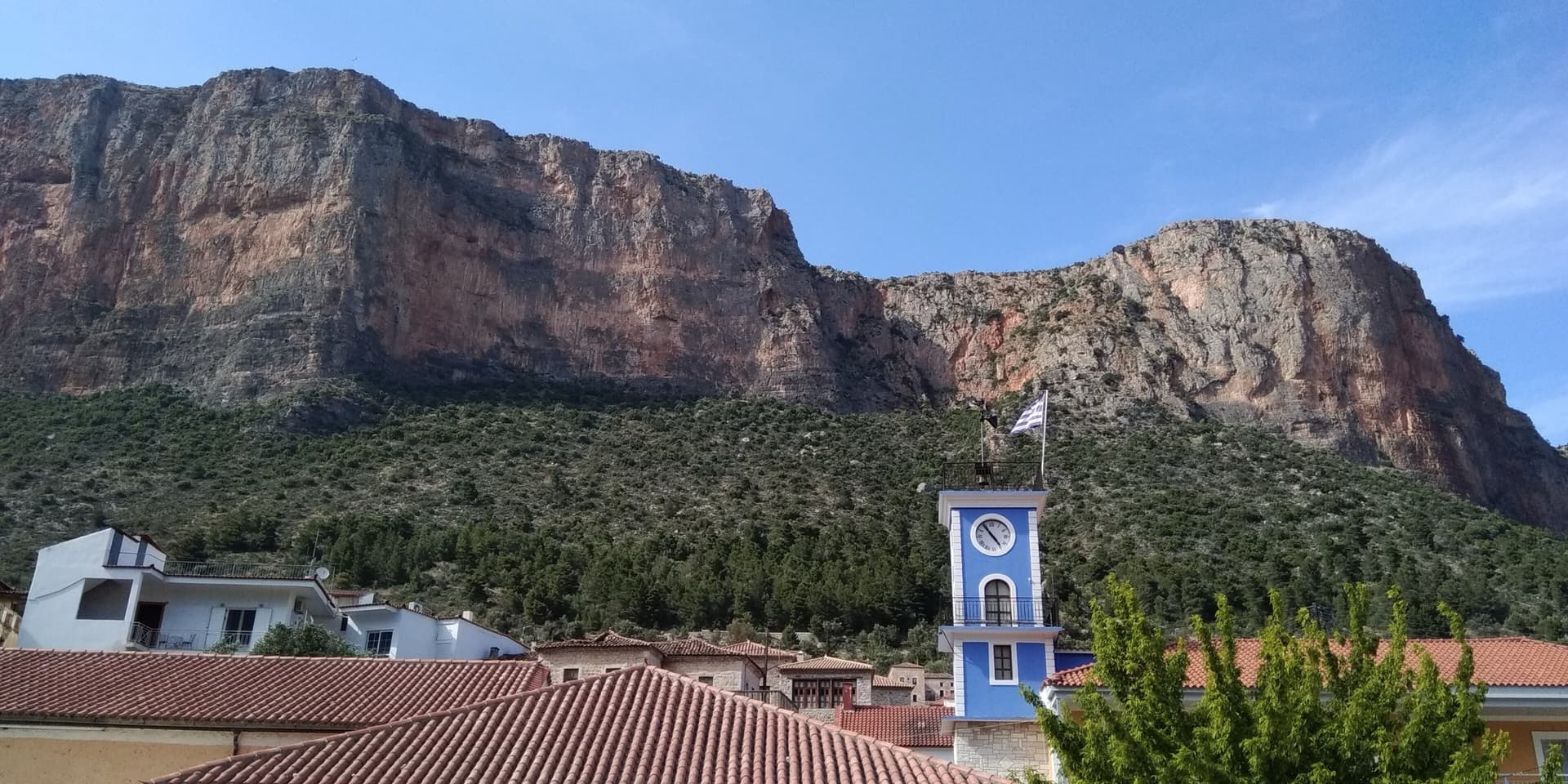
The red limestone wall of Kokkinovrachos rising directly above the rooftops and clock tower of Leonidio. Kapi Reborn is on the south-east face of this cliff; the exact line is not marked.

Greece · Leonidio & Kyparissi

Kapi Reborn

A newer pillar line with a pretty 45 m slab to start, a single interesting 6a+ crux on P4, and a final orange corner. It makes a good step up from Mignonette.

6a+7 pitches180 m

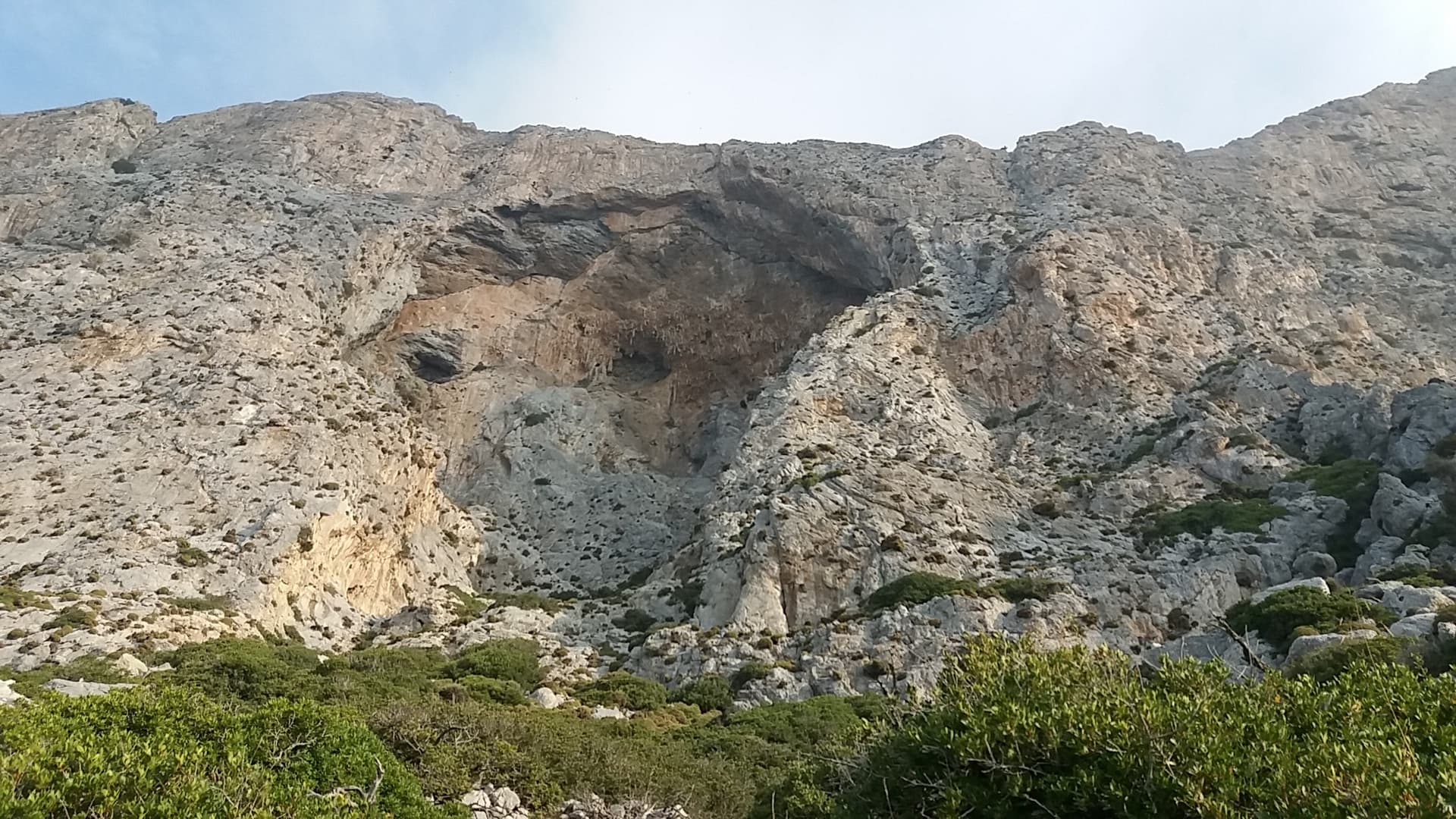
The south face of Telendos around its great cave, seen from the approach path.

Greece · Kalymnos & Telendos

Rita Telendos

Thin moves over small bulges, stemming and big jugs on 'cauliflower' limestone. The crux is P6, which ends at a hanging belay. Mountain Project gives the pitches in YDS only (5.8–5.10b), so French pitch grades are not listed; the overall grade is 5.10b (6a+), and some listings give 6b. You can link P3–P4 and P5–P6.

6a+7 pitches152 m

Read the cautions

Compiled from published sources and last verified October 2026. Bolts, anchors and access change. Climbing is dangerous and you are responsible for your own decisions: check a current topo and read the disclaimer.